In one of our guest blogs for the Greater Manchester Green Summit, John Cooper, Real Estate and Infrastructure Partner at Deloitte discusses sustainable growth in Greater Manchester and the requirement for integrating development, infrastructure, housing, and innovation to support net zero goals.
Greater Manchester’s ambition to reach net zero by 2038 is one of the most progressive in the UK, 12 years ahead of the national target. But delivering it requires us to think holistically about how we can build a sustainable city region, from the buildings that pop up around us to the infrastructure and skills we invest in. One where homes, workplaces, research, culture and transport networks evolve together, enabling businesses and residents to thrive in harmony.
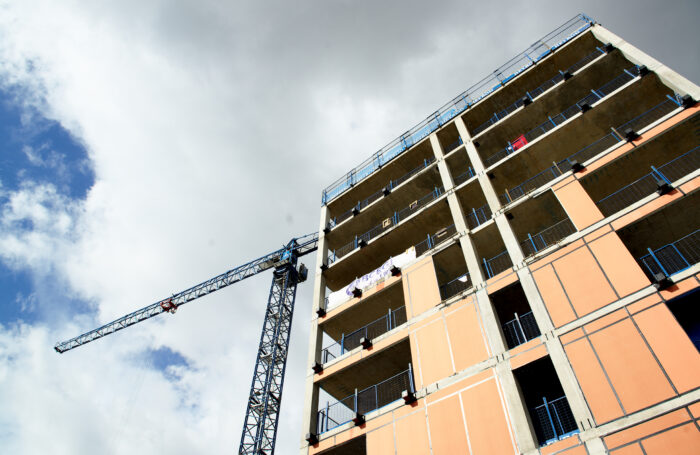
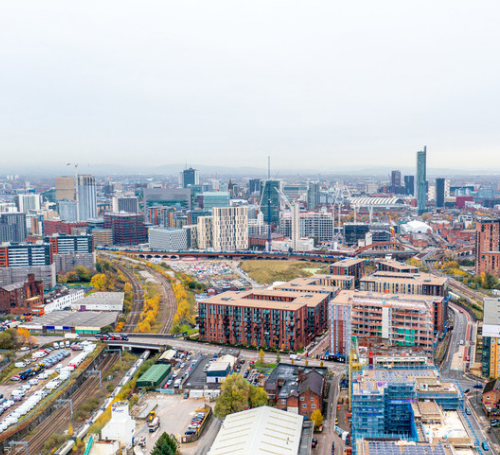
Over the last few years, our Manchester Crane Survey has shown just how much our city has changed, with record levels of development activity reshaping the skyline we see every day. Take the Oxford Road Corridor. Building out this globally recognised knowledge district is critical to attracting further life sciences research and investment. By clustering universities, healthcare institutions and innovative businesses, Manchester can accelerate world-first breakthroughs, including solutions to climate-related challenges and new sustainable practices that reduce environmental impact. That’s why development goes far beyond physical buildings, it’s about creating an ecosystem that drives green innovation and long-term economic resilience.
Residential development presents a different, but equally important, balancing act. Manchester continues to see strong demand for city centre living, which is in-turn fostering a sustainable pattern of growth as higher-density living and easy accessibility reduces environmental impact. The priority now is ensuring that growth supports the wider city region. By utilising brownfield sites and continuing to reap the benefits of high density living, this can be key to supporting development viability, while boosting social mobility by connecting more communities to the city core.
For residents and workers alike, blue and green infrastructure is also key. The creation of Mayfield Park, the first green space to open in central Manchester in over 100 years, has helped to place a renewed focus on similar schemes, like the highly-publicised CyanLines project.
The commercial office market is also undergoing significant change. Tightening EPC standards are accelerating refurbishment activity, ensuring that existing buildings are upgraded to meet modern environmental expectations. Offices remain vital hubs of collaboration and economic growth, but they must also minimise their carbon footprint. This has all meant that major Grade A retrofits and refurbishment have become a core part of office development, as buildings are upgraded to meet demand. In the process, this is helping to improve carbon forms of existing assets.
Meanwhile, the visitor economy continues to be a major contributor to Manchester’s success. A strong, integrated public transport network is essential to supporting this growth sustainably. Investment in tram, rail and active travel infrastructure allows people to move around the city region efficiently, reducing congestion and emissions while enhancing the overall visitor experience. And as Manchester strives to become the most sustainable English city and within the Top 50 in the Global Destination Sustainability Index, this continued investment will be essential.
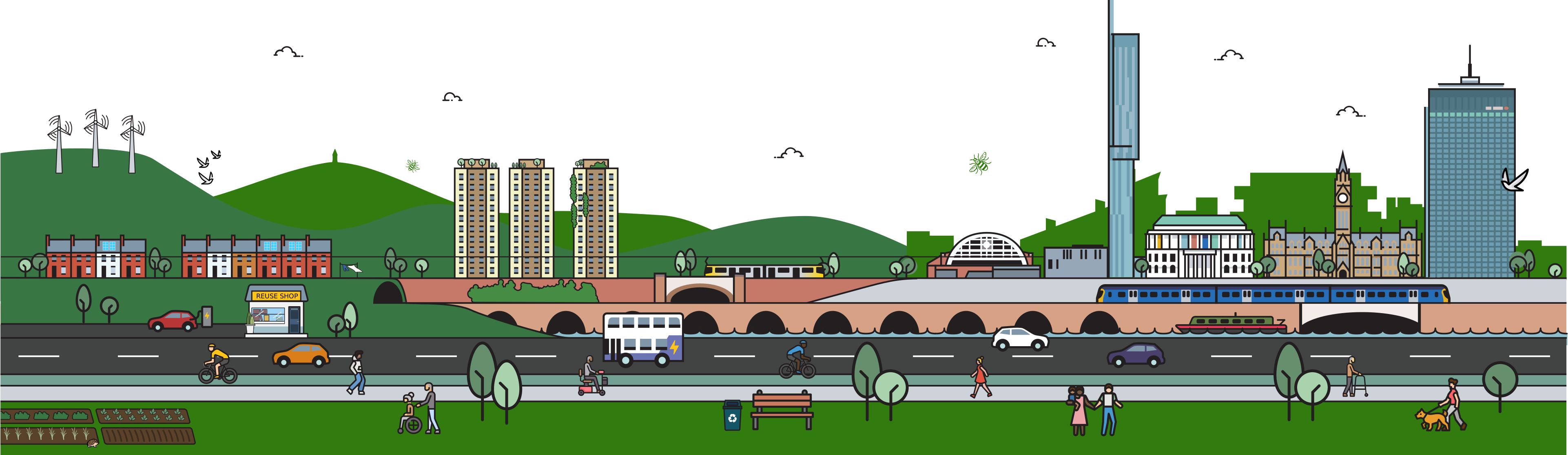
Ultimately, building the city of the future is about integrating all of these elements in harmony. Research districts, homes, offices and cultural destinations must be connected by infrastructure that enables low-carbon living and inclusive growth.
Encouragingly, strong collaboration between the public and private sectors is already driving progress across Greater Manchester. By continuing to work together, aligning investment, planning and sustainability goals, we can create a city region that not only meets its net zero target, but sets the standard for how sustainable growth should be delivered.