Are you ready to make a positive impact on your school’s community?
Funding for practical climate action in your school
The Eco Grants for Schools programme offers grants of up to £2,000 to schools across Greater Manchester to support practical, pupil-led projects that take action on climate change.
We’re looking for projects that go beyond raising awareness and focus on real action and behaviour change across the whole school community.
Application Details:
Opening Date: Noon, 18th June 2026
Deadline: Noon, Friday 31st July 2026
APPLY FOR A GRANT OF UP TO £2000
Applications are completed via an online form. We recommend preparing your answers in advance before submitting. Before you apply please read through our guidance notes and FAQs. They contain all the essential information on eligibility and what successful applicants need to do.
As part of our programme, we encourage schools to work with local, environmentally responsible suppliers.
If you encounter any issues during the application process, please email us at: greencityschools@greatermanchester-ca.gov.uk
APPLY NOWWhat we’re looking for
Projects should:
- Reduce waste
- Support reuse, repair and longer use of materials
- Help people adopt more sustainable everyday habits
We also want your project to provide wider social benefits like:
- Building skills and confidence
- Improving health and wellbeing
- Strengthening community engagement
We’re particularly interested in projects that focus on:
- Reducing food waste and improving how food is used
- Reducing plastics and single-use items
- Tackling fashion and textile waste through repair, reuse and behaviour change
We also welcome other projects that support waste reduction and sustainable everyday habits.
Projects could include:
- Repair workshops, clothing swap shops or sharing schemes
- Reducing waste and introducing reuse/refill systems
- Sewing, upcycling or textile reuse projects
- Food waste reduction, cooking and food skills activities
- Pupil-led campaigns or challenges to change behaviour
What you need to know:
- Projects must be new and delivered within 12 months
- One application per school
- One-off events will not be funded
- Projects must lead to lasting change
- Nature and biodiversity projects will NOT be funded
- Projects focused on recycling alone, without reducing or reusing, will not be funded.
Want the full details?
Read the full guidance notes for detailed eligibility, examples, and application information.
To be eligible for support, your school needs to agree to the following criteria:
- Talk to us at regular intervals and provide two formal updates about your project activity
- Share project news and images with us for reporting purposes
- Work with us to share your story and inspire others to take climate action
If you need any extra support with your application, want to discuss your ideas beforehand or prefer to apply in a different way, we’re here to help! Please email us at greencityschools@greatermanchester-ca.gov.uk
What happens next:
Once the application deadline has passed, we will review all the submitted projects and evaluate each project based on the eligibility criteria outlined in the guidance notes. The projects with the highest scores will receive funding.
GOOD LUCK
Further Information
Looking for Inspiration?
Take a look at some of the successful projects that we have already supported through the Eco Grant Fund.
We’ve already supported a wide range of inspiring school-led sustainability projects across Greater Manchester through the Eco Grants Fund. These projects are helping to embed climate action and circular economy principles into everyday school life. Whether it’s reducing waste, promoting reuse, or delivering education on sustainable lifestyles, each project showcases how small grants can spark big ideas. Our case studies highlight the creativity and commitment of pupils and staff alike.
Find out more
Projects We’re Keen to Support
We welcome a wide range of ideas.
The examples here are to help guide you.
They highlight the types of practical, pupil-led projects we’re keen to support.
You do not need to fit exactly into one of these.
We look forward to reading you application!
Reducing everyday waste
- Projects to reduce plastics, paper, packaging and other materials
- Low-waste or paper-light classrooms
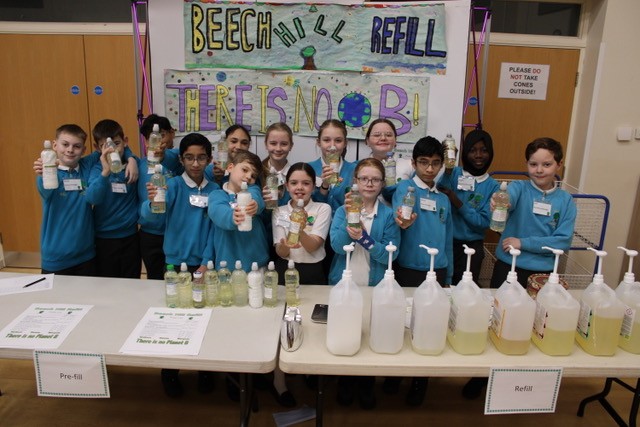
- Reuse and refill approaches (e.g. water, food, school supplies)
- Waste audits and school-wide waste reduction plans
- Campaigns to reduce single-use items and change everyday habits (e.g. pupil-led campaigns or challenges)
- Projects that explore alternatives to single-use plastics and common school items (e.g. bottles, lunch items, stationery, packaging)
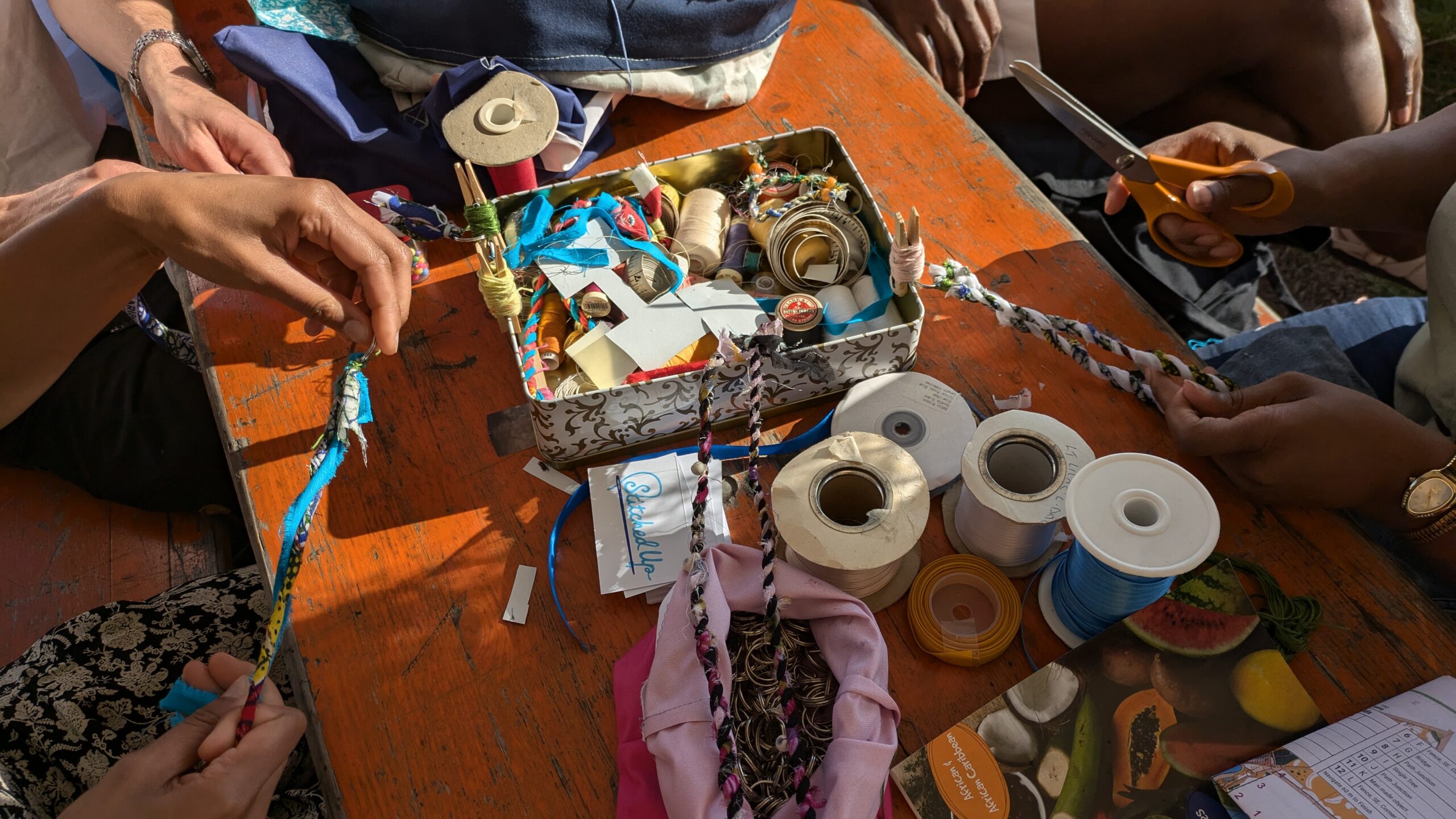
Fashion and Textiles
- Sewing, mending and upcycling workshops
- Clothing repair and reuse projects (e.g. second-hand options, redistribution, adapting existing items)
- Circular approaches to school uniforms (e.g. swaps, school-led systems)
- Campaigns to reduce textile waste and fast fashion habits (e.g. pupil-led campaigns)
- Projects that reduce over-consumption and encourage people to buy less and use clothing for longer
- Opportunities for pupils to design, create or adapt clothing and textiles as part of learning and skills development
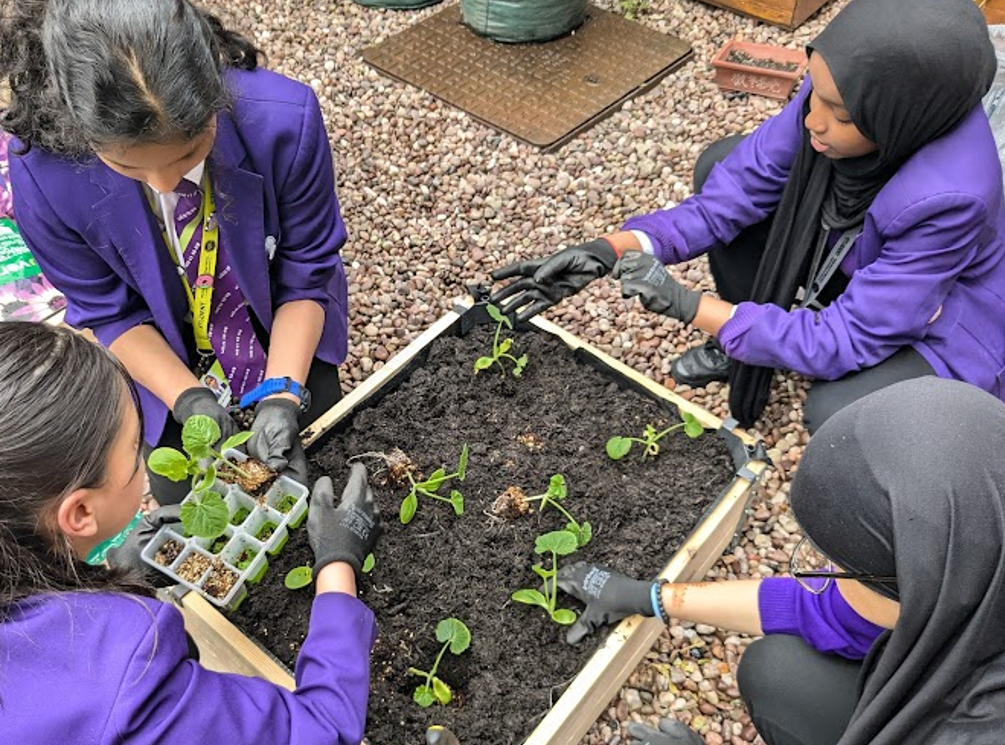
Sustainable food and reducing food waste
- Cooking activities to build skills and reduce food waste (e.g. using leftovers)
- Practical food skills (e.g. storing food, meal planning, using ingredients well)
- Projects to improve everyday food habits
- Reducing food waste in school
- Pupil-led projects to improve the school food offer
- Encouraging healthier and more sustainable food choices
- Food growing linked to learning and reducing waste
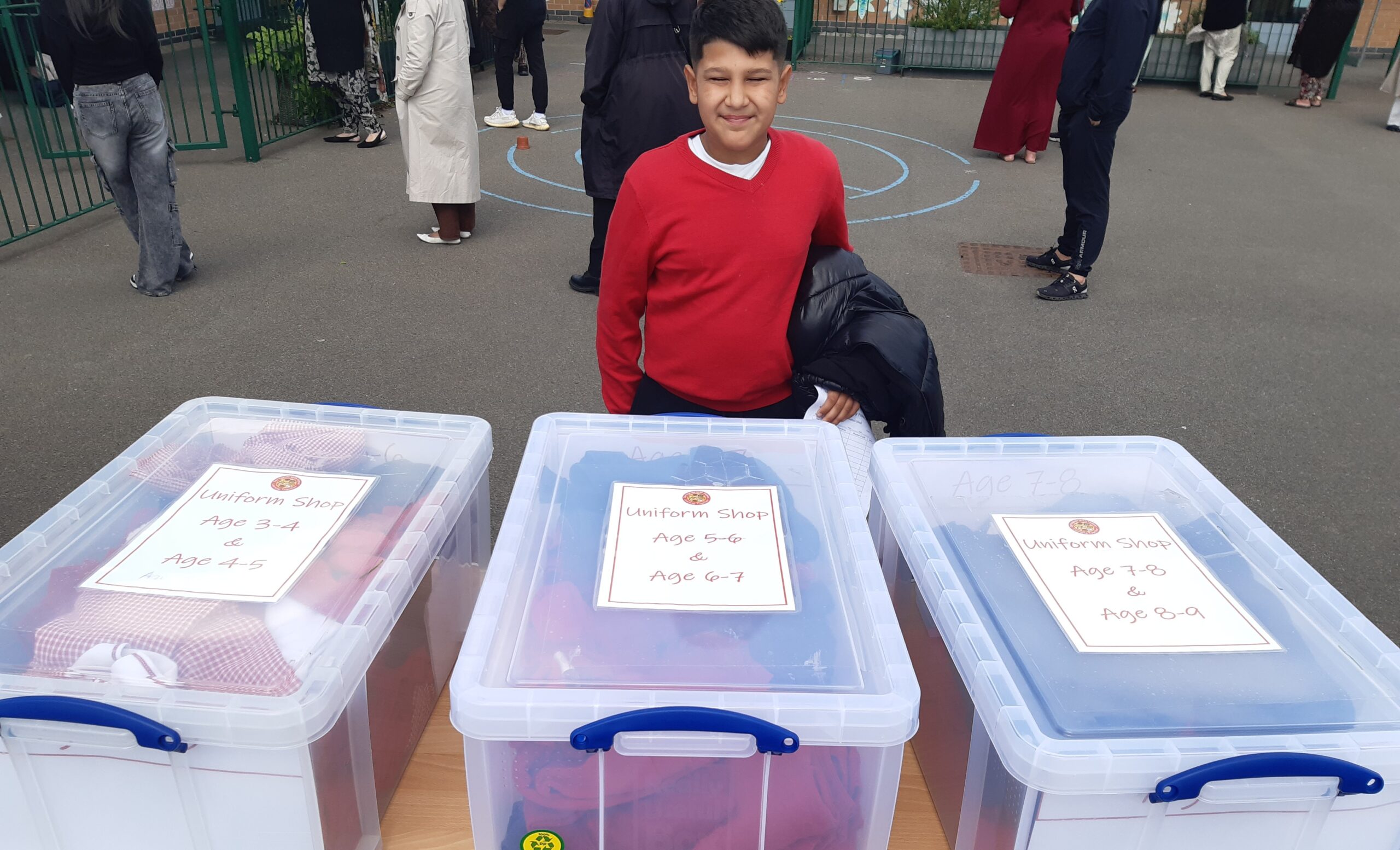
Repair, reuse and sharing
- Repair or “fix-it” workshops (e.g. clothes, electronics, everyday items)
- School “library of things” or equipment sharing systems
- Uniform swaps, second-hand sales and donation schemes
- Reuse of furniture, IT or classroom resources
- Projects that teach pupils how to look after, repair and extend the life of everyday items