As part of our Local Nature Champions series, we’re celebrating the people helping nature thrive across Greater Manchester.
For many years, Bob Kenworthy and Marian Herod have been at the heart of efforts to protect and restore Crompton Moor in Oldham through their work with Friends of Crompton Moor. Alongside a dedicated team of volunteers, the group has helped improve habitats for wildlife through peatland restoration, tree planting, wetland creation and practical conservation work.
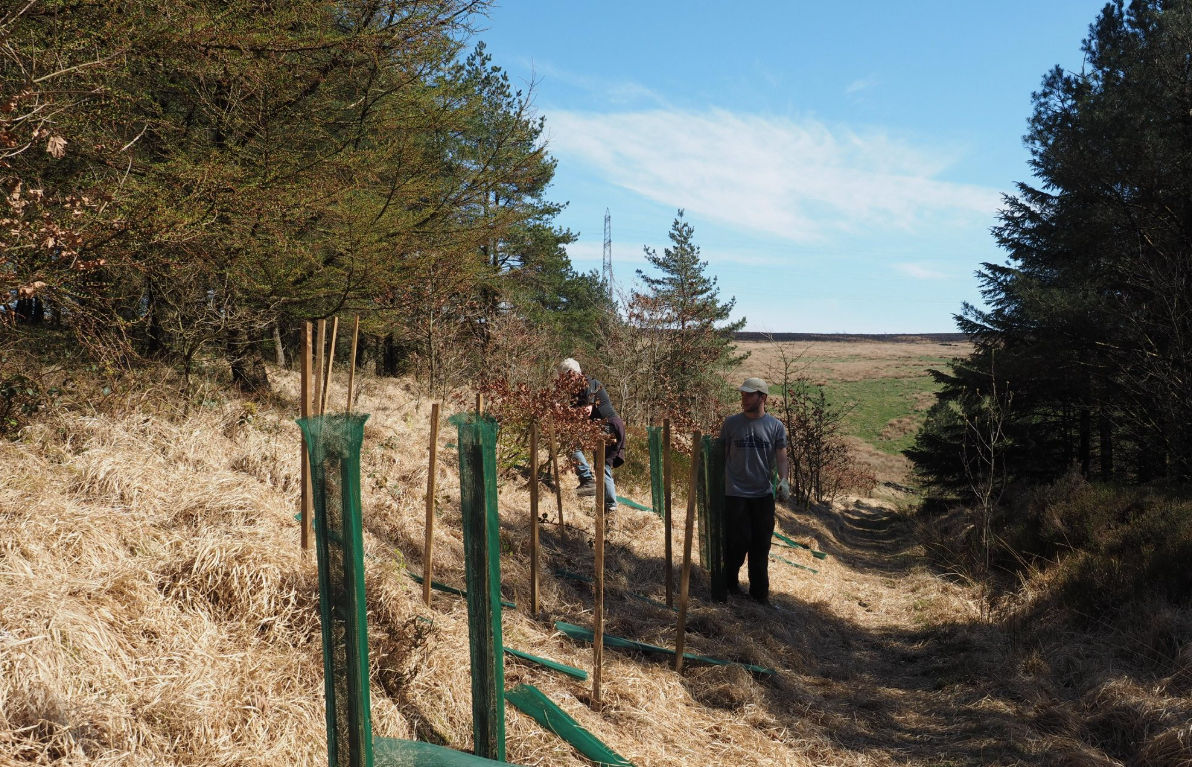
Their work has also brought people together from across the community, including schools, Scout and Guide groups, Duke of Edinburgh participants and university students, helping more people connect with nature while learning valuable skills.
Working with organisations including City of Trees and Moors for the Future, Friends of Crompton Moor has played an important role in protecting one of Oldham’s most valued natural spaces for both wildlife and local people.
We spoke to Bob and Marian about what motivates their work, why nature matters to Greater Manchester and how more people can get involved in local nature recovery.
Tell us about the project
Friends of Crompton Moor is a fully constituted volunteer group dedicated to the care and conservation of the environment of Crompton Moor in Oldham, including its diverse flora and fauna. Caring for the moor ultimately benefits the surrounding communities, as its an important greenspace for exercise, education, health and well-being.
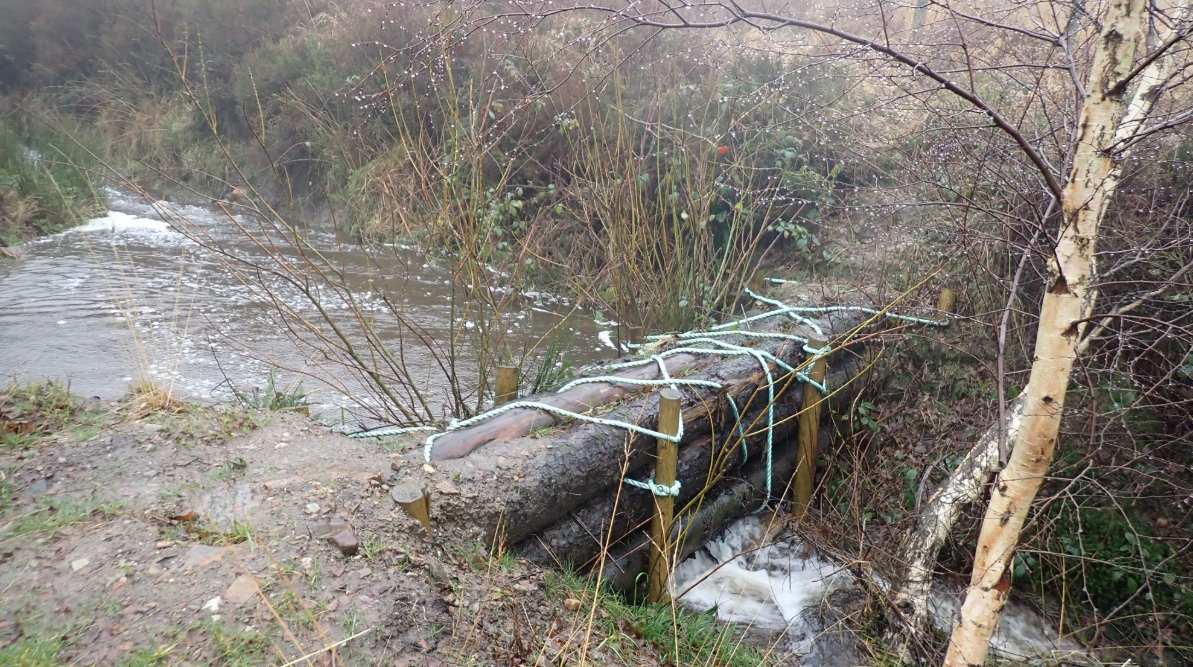
We work with major organisations such as Moors for the Future, and City of Trees on projects such as peatland restoration, leaky dam anti-flood measures, wetland creation and tree planting. We are also closely involved with the Greater Manchester Ecology Unit, who have designated the moor as a grade A Site of Biological Importance (SBI). Our other work involves dry stone wall restoration with the Lancashire Walling Association and regular planned activities centred around nature restoration.
We have hosted several local primary schools and Scout and Guide groups for bird box building and nature walk and talk sessions. We have also been involved for a number of years with helping Duke of Edinburgh students fulfil their community service obligations and have supported masters students from Leeds and Manchester with their dissertations.
Through our work with Manchester City of Trees, we have hosted students from Hong Kong University, a collaboration which proved so popular that locally resident relatives have started a walking group on the moor.
How did you first get involved in nature recovery
Over many years I have been dedicated to the protection of Crompton Moor alongside Marian Herod. My motivation comes from a strong commitment to protecting Crompton Moor and ensuring it remains a healthy and valued place for wildlife and for the local community to enjoy. Working alongside other volunteers has shown me how much can be achieved through practical action and long-term dedication.
What do you think nature offers Greater Manchester?
Nature offers Greater Manchester space for wildlife, learning, exercise and wellbeing. Places like Crompton Moor provide important habitats for a wide range of species, while also giving people access to green space close to where they live.
Green spaces support education by allowing students and community groups to learn directly from the natural environment. They also play a role in managing water, improving biodiversity and maintaining healthier landscapes. For many people, nature is a place to connect, volunteer and build skills while contributing something positive to their local area.
Why do you think it’s important more people get involved in nature?
Everyone who has got involved with Friends of Crompton Moor has benefited in terms of personal growth and gained a wider appreciation of the natural world. People of all ages and backgrounds work together, including schools, retired volunteers, Duke of Edinburgh participants and corporate groups. Getting involved helps people learn new skills such as stonewalling, tree planting and habitat management, while also contributing to the care of wildlife and green spaces. Volunteers are essential to maintaining Crompton Moor. Over the many years doing volunteer work on Crompton Moor the biodiversity has increased exponentially and we are privileged and proud of our achievements.
How can people get involved in your project?
People can get involved by volunteering with Friends of Crompton Moor, taking part in practical conservation activities and supporting ongoing projects. We regularly work with community groups, schools and organisations who want to help care for the moor.
Find out more on the Friends of Crompton Moor Facebook page (external link).
What do you think is the single greatest priority for nature recovery in Greater Manchester?
Protecting and maintaining important green spaces like Crompton Moor so they continue to support biodiversity, wildlife and local communities.
If time and resources weren’t an issue, how would you address that priority?
Significant investment would allow essential maintenance work to be carried out, such as replacing deteriorating fencing and infrastructure that volunteers cannot manage alone. This would better protect both wildlife and the public and help prevent damage. Securing grants would make a major difference in safeguarding these important natural sites for the future.