Black Girls Hike UK is showing that nature is for everyone, creating inclusive opportunities for young people to explore and thrive outdoors.
For many people, spending time in nature can be life changing. As part of our Greater Manchester Local Nature Champions series, we spoke to Alice Whittle, Project Coordinator at Black Girls Hike UK, about how her organisation is helping more young people discover the outdoors, build confidence and develop a lifelong connection with nature. Through inclusive hikes, outdoor education and youth programmes, Alice is working to break down barriers and show that nature is for everyone
Tell us about your project
As Project Coordinator for Black Girls Hike UK, I lead our youth programme, creating opportunities for young people to build confidence, develop life skills and connect with nature through meaningful outdoor experiences.
My role includes organising youth hikes across the North West, working alongside schools, youth organisations and community groups to make the outdoors more accessible for young people who may never have considered it as a space for them. I also coordinate our annual youth retreats, taking young people to Ghyll Head Outdoor Education Centre in the Lake District, where they experience adventure activities, personal development and time immersed in nature.
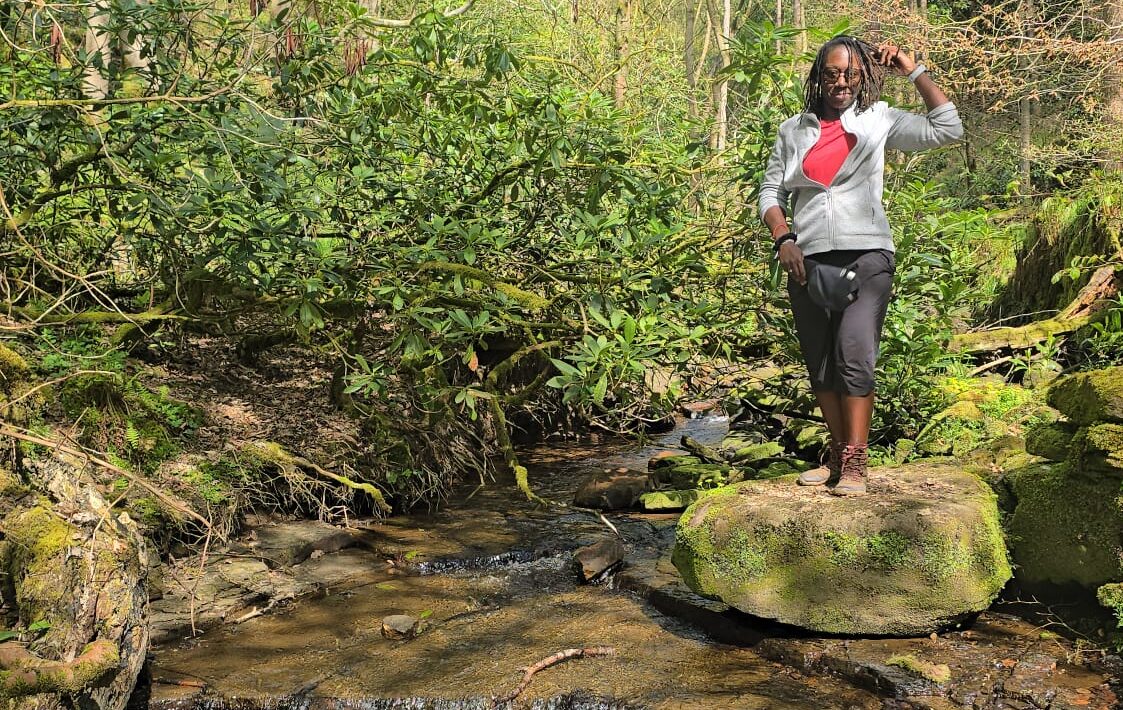
Alongside this, I manage our Duke of Edinburgh’s Bronze Award programme, supporting young people aged 14–21 to complete their award through volunteering, physical activity, skills development and expedition training. The programme equips participants with resilience, teamwork, leadership and practical outdoor skills while encouraging them to step outside their comfort zones.
At the heart of everything we do is a commitment to increasing representation in the outdoors, breaking down barriers to participation and helping young people realise that nature belongs to everyone. We want every participant to leave with greater confidence, stronger connections and a lifelong appreciation for the natural world.
How did you first get involved in nature recovery / what motivated you to get involved?
My own journey into nature began after the birth of my second daughter. Like many new parents, I found myself spending a lot of time walking around the city, looking for ways to improve my wellbeing and clear my mind. A colleague suggested joining a countryside walk, something I had never considered before.
Growing up, I rarely saw people who looked like me enjoying hiking or spending time in rural landscapes. Because of that, I assumed those spaces weren’t for me. But I decided to give it a try.
That first walk completely changed my perspective. I discovered a sense of calm that I hadn’t experienced before. Nature became somewhere I could slow down, breathe and reconnect with myself. It quickly became an important part of my wellbeing, and I continued joining walking groups whenever I could.
Eventually I discovered Black Girls Hike UK and immediately felt at home. Their mission to increase representation, challenge stereotypes and create safe, welcoming spaces for Black women in nature deeply resonated with me. It wasn’t just about hiking—it was about belonging.
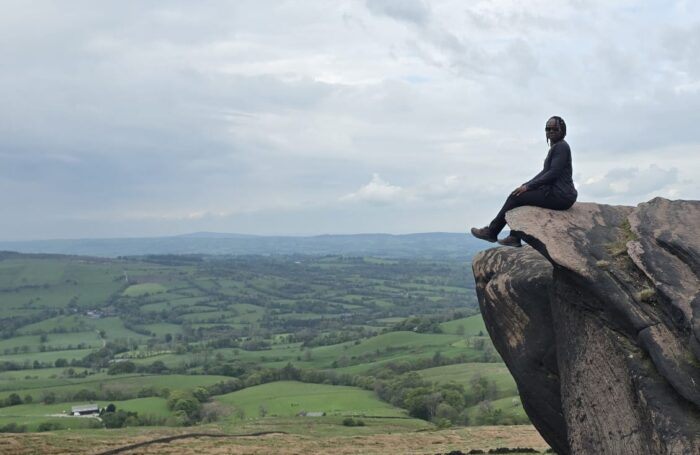
Now, through the youth programme, I have the opportunity to introduce that same feeling to the next generation. Many of the young people we work with have grown up, just as I did, without seeing themselves represented in outdoor spaces. Being able to show them that incredible places like the Peak District, Lake District and Derbyshire are right on their doorstep is incredibly rewarding. Watching their confidence grow as they realise these spaces belong to them too is one of the most fulfilling parts of my work.
What do you think nature offers Greater Manchester?
One of Greater Manchester’s greatest strengths is its location. While it’s known for its vibrant cities, diverse communities and industrial heritage, it’s also uniquely positioned with easy access to some of the UK’s most beautiful natural landscapes.
Within a short journey you can reach the Peak District, the Lake District, North Wales, Derbyshire and the Pennines. For many people, it takes less than an hour to leave the busy streets behind and find themselves surrounded by rolling hills, forests, reservoirs and open countryside. Few places in the country offer such easy access to so many incredible green spaces.
But nature isn’t only found outside the city. Greater Manchester itself is home to countless parks, canals, rivers, woodlands and local nature reserves that provide opportunities for people to experience the benefits of the outdoors every day. These spaces offer somewhere to walk, exercise, reflect, meet others or simply take a break from the pace of everyday life.
Nature also plays a vital role in improving our physical and mental wellbeing. Spending time outdoors has been shown to reduce stress, improve mood and encourage people to be more active. For young people especially, it offers opportunities to build confidence, develop resilience and learn valuable life skills away from screens and everyday pressures.
For communities who have traditionally been underrepresented in the outdoors, nature also provides something even more powerful: a sense of belonging. Representation matters. When people see others who look like them enjoying green spaces, barriers begin to disappear. They start to believe these places are for them too.
Greater Manchester has an incredible opportunity to become a leader in making nature more inclusive. By investing in accessible programmes, community partnerships and diverse leadership, we can ensure everyone—regardless of background—feels welcome in these spaces.
Nature isn’t something that exists somewhere else. It’s all around us. Sometimes all it takes is showing people where to start and helping them take that first step outside.
Why do you think it’s important more people get involved in nature?
Nature is one of the few things that is available to everyone. It’s free, accessible and always there, yet many people don’t realise how much it can positively impact their lives.
Spending time outdoors allows us to slow down, reset and reconnect—not only with nature but with ourselves. Whether it’s a short walk through a local park or a hike in the hills, being outside creates space to breathe, reflect and step away from the pressures of everyday life.
The benefits are significant. Nature supports better mental health by reducing stress and anxiety, encourages physical activity, improves emotional wellbeing and provides opportunities to build meaningful social connections. For many people, it becomes an important form of self-care.
However, many communities still face barriers to accessing green spaces. Some people simply don’t know where to go, while others don’t feel they belong because they’ve never seen themselves represented outdoors.
That’s why education and awareness are so important. We need to make information about nature simple, welcoming and easy to understand. Rather than assuming everyone knows how to access public rights of way or outdoor spaces, we should provide guidance that removes those barriers.
The more we introduce people to nature in an inclusive and supportive way, the more likely they are to continue exploring it for themselves—and to experience all the benefits it has to offer.
How can people get involved in your project?
Black Girls Hike UK organises hikes, retreats, weekends away and international trips that encourage Black women and people of colour to discover and enjoy the outdoors in a welcoming community.
For young people, our Duke of Edinburgh’s Bronze Award programme offers opportunities to build confidence, learn outdoor skills and complete the nationally recognised award through adventure, volunteering and personal development.
The best way to stay updated is by following our social media channels, where we regularly share upcoming walks, events and programme applications. Recruitment for our next Duke of Edinburgh cohort opens each November for young people aged 14–21.
What do you think is the single greatest priority for nature recovery in Greater Manchester?
The greatest priority is making nature more accessible by breaking down barriers to participation. That means improving awareness, increasing representation and ensuring people from every community feel welcome in green spaces.
Many people don’t engage with nature because they don’t think it’s for them or simply don’t know where to start. By making information clearer, creating inclusive opportunities and celebrating diverse voices in conservation and outdoor activities, we can encourage more people to connect with nature and become active in protecting it for future generations.
If time and resources weren’t an issue, how would you address that priority?
If resources weren’t a barrier, I would focus on creating more free, community-led opportunities for people to experience nature together.
This would include regular inclusive walks across Greater Manchester, free outdoor activity sessions for families and young people, and stronger partnerships between community organisations, schools and environmental groups. I’d also invest in better signposting so people know where local green spaces are, how to access them and what activities are available.
Representation would remain central to everything. I’d support local ambassadors from different communities to lead walks and share their experiences, helping others feel welcomed and inspired to get involved. Seeing someone who looks like you confidently enjoying nature can make a huge difference in helping people take that first step.
I’d also create more opportunities for young people to engage with conservation through volunteering, outdoor education and leadership programmes. Giving them ownership over their local green spaces helps build pride, confidence and a lasting connection to the environment.
Ultimately, nature recovery isn’t just about restoring habitats—it’s about reconnecting people with those habitats. When communities feel connected to nature, they’re far more likely to value it, care for it and protect it. Creating inclusive, welcoming opportunities for everyone to experience the outdoors would have lasting benefits for both people and the environment.
Anything else you’d like to cover?
For me, nature is about far more than walking outdoors. It’s about creating opportunities, building confidence and helping people realise they belong in spaces they may never have imagined were for them.
Every young person who discovers a love for nature today becomes someone who is more likely to protect it tomorrow. If we want to build a healthier, more connected and environmentally conscious Greater Manchester, we need to ensure everyone has the opportunity to experience the outdoors—not just a select few.