About the programme
The Greater Manchester Eco Grants for Schools programme is empowering schools to develop and deliver climate action projects that benefit both the school environment and the wider community. Funded projects contribute to small acts of positive climate action and sustainable behaviour change. 2024/25 projects focused on:
- Waste Reduction and Circular Economy
- Education on Sustainable Lifestyles
- Sustainable Food and Tackling Food Waste
Take a look at some of the inspiring projects that have already been funded.
Successful Projects 2024/2025
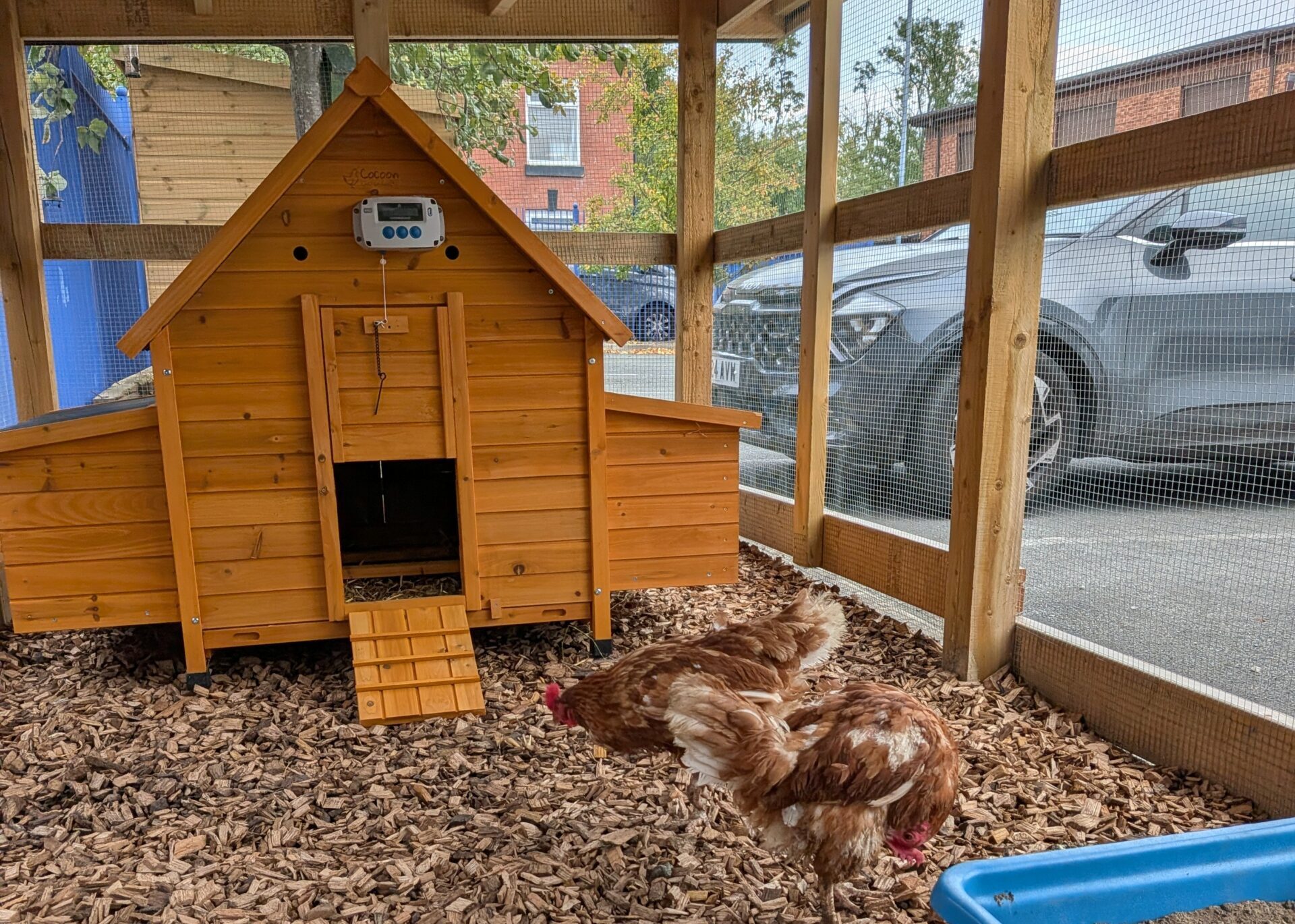
Project Chickens – Parochial CE Primary School
“Since being awarded the grant, our caretaker has worked tirelessly to build a run that will house up to 8 chickens. The children identified a charity that they would like to support and rehome the hens from and we have worked together, with the children, to design the run so that it is big enough for the children to move around inside with the hens safely.
The children have applied to be ‘chicken monitors’ and have voted to call the new hen home ‘Peckingham Palace’. Our Parochial hens have moved in and are already laying eggs which are placed in our school food pantry which is used by our community.”
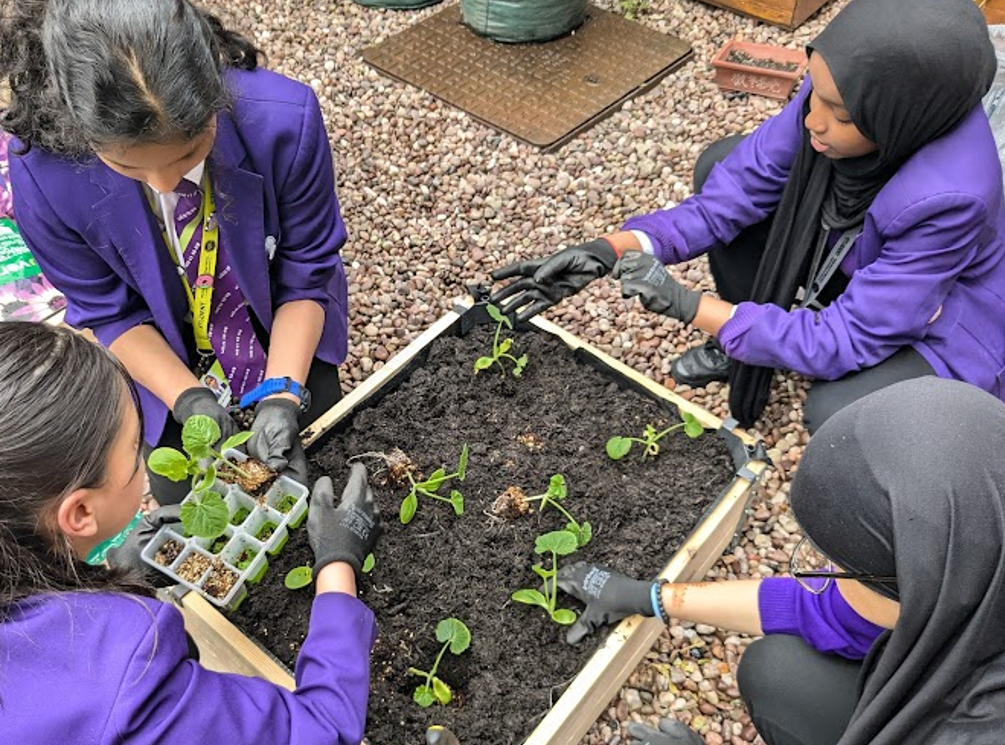
Field to Fork – Whalley Range 11-18 High School
Our project set out to support students in learning where their food comes from and how their choices affect the environment. The project has mainly taken place in an empty garden space transforming it into a growing area visible through glass corridors.
Students have learnt about food miles, investigated food packaging, started learning about composting, upcycled planters from recycled materials, sown seeds, nurtured plants and harvested a wide range of produce including sweetcorn, courgettes, tomatoes and potatoes. Through these activities, they have developed practical green skills and a stronger understanding of sustainability.
School Allotment – Our Lady of the Rosary Primary School
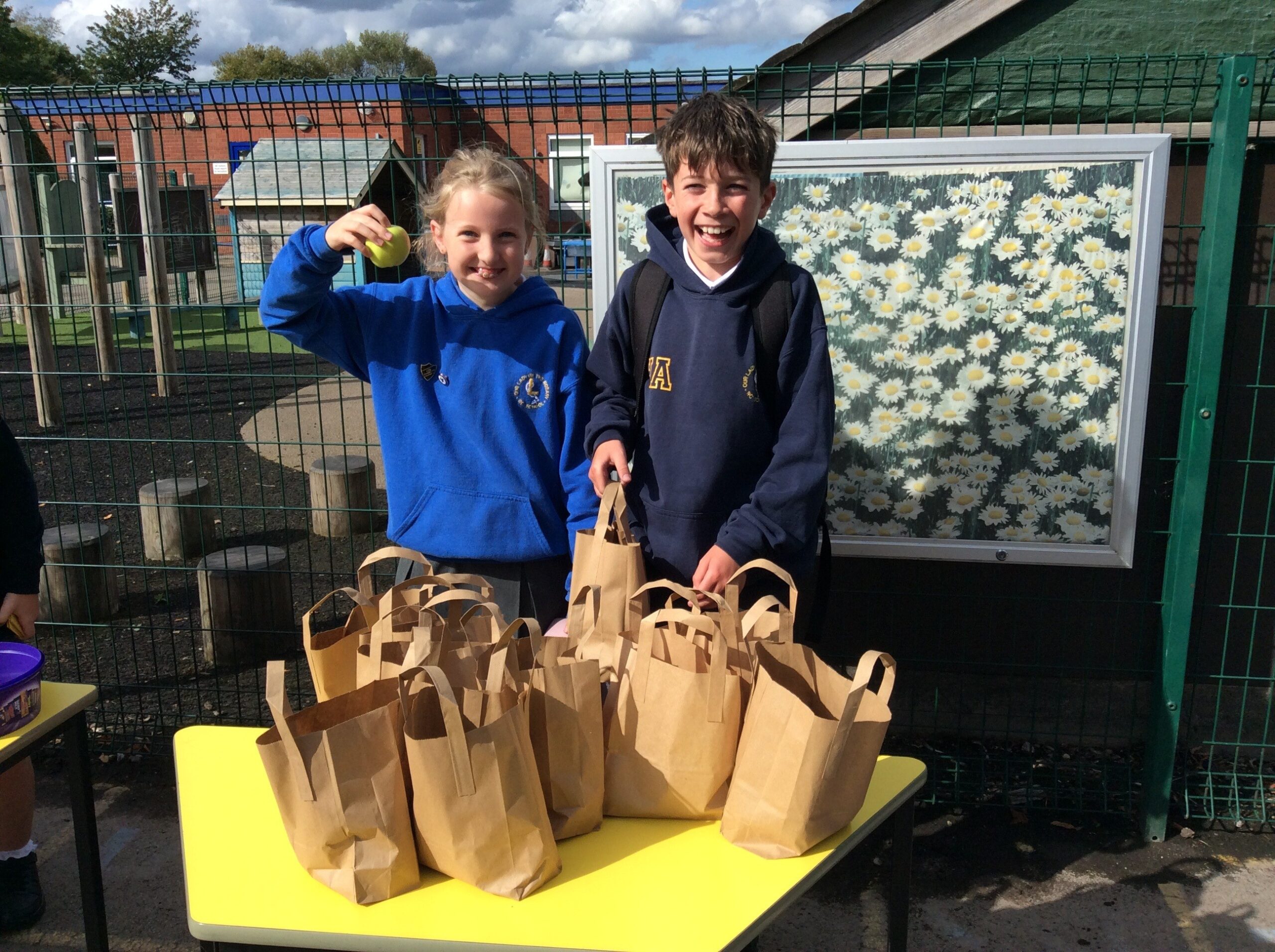
When we received the eco grant, our school saw an opportunity not only to address the issue of food waste, but also to create a space that would serve multiple purposes; environmental education, wellbeing and community connection.
We are using the funding to develop an area of our school grounds into a multi-functional school allotment, complete with composting system to reduce food waste and a remembrance and sensory garden to promote wellbeing and inclusivity.
Hamer Eco Shop – Hamer Community Primary School
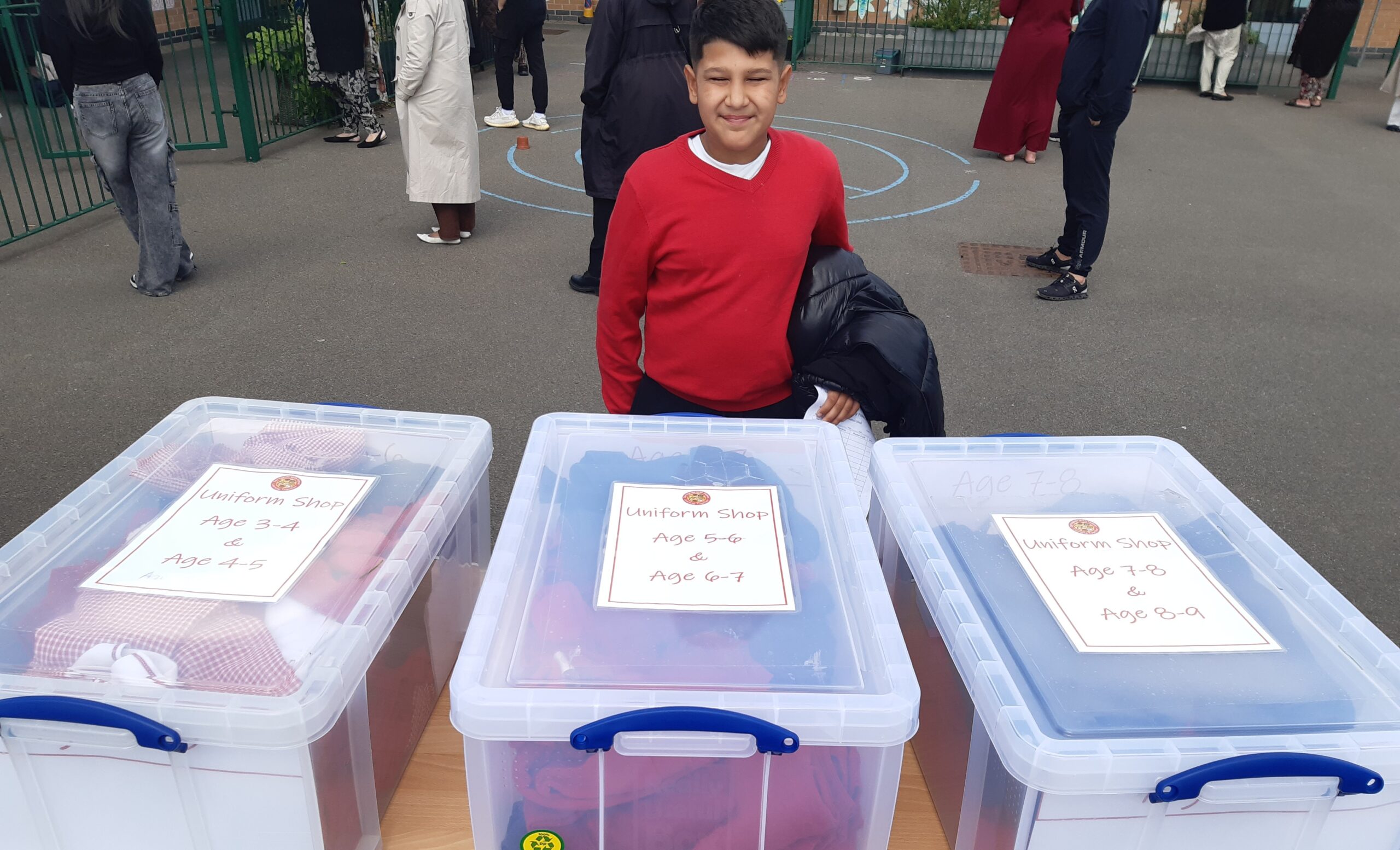
We wanted to increase the amount of advertising that we have to promote Our Eco Refill shop and encourage further sales, to reduce waste. We enlisted the help of a marketing specialist who came in and talked to the children about ways to try and increase sales. We are now diversifying the range of products we sell.
Our gazebo means that we can run the shop in all weather and don’t have to hide under a shelter. We use our chalkboard to not only show prices but also give inspiring messages about how to save the planet. We have worked in collaboration with our site management team to create a sustainability plan and we will be working together on how we can increase the level of dry-mixed recycling we have at school, rather than general waste.
The Green Learning Hub – St Michael’s CE Primary School
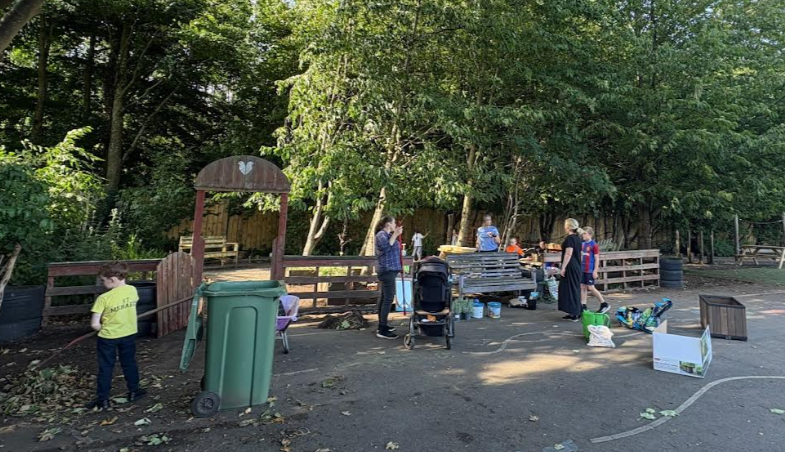
At St Michael’s, sustainability and climate awareness are at the heart of our vision for education. We believe children learn best through active participation, and our goal is to empower pupils to become future custodians of the environment. To achieve this, we developed The Green Learning Hub and Outdoor Classroom a dedicated space that combines hands-on climate education with wellbeing and community involvement.
The project is still in progress, but several key milestones have already been achieved. Gardening days with families have prepared the space, planting is underway, and the final touches are being added before the official opening. Already, the project has sparked excitement across the school and the local community.
School Grown: Fresh Food for a Brighter Future – Christ The King RC Primary Schools
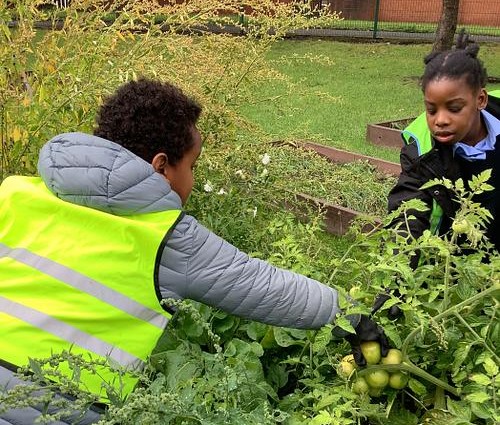
We set out to create a sustainable food scheme within Christ the King RC Primary School by establishing a school allotment where our pupils could grow fresh produce, learn about sustainability, and contribute to our school kitchen and Care and Share food bank.
Our pupil-led ECO Team has been at the heart of this project. They took the lead in setting up, preparing, and running the allotment during the initial phase. Building on this success, we have planned to expand involvement to all year groups for the 2025/26 academic year.
School Composting: Smell like green spirit – Unity Community Primary School
Our school composting project is off to a great start!
We now have our Ridan Composter set up and ready to use. We’ve also had a delivery of wood chips to help the composting process.
To make things easier, we’ve bought a wheelbarrow and aprons for our amazing Green Heroes, who will help run the project.
We’ve started a weekly rota to collect food waste from one part of the school. This means we can turn our food scraps into compost and help the environment!
Becoming a Greener and More Sustainable School – Seymour Park Community School
Our project is on “Climate education focused on sustainable lifestyles. We chose this focus as one of targets on our school’s strategic plan was becoming a greener and more sustainable school and one way we wanted to transform our school was through the curriculum we were offering to our children.
We felt that whilst children were aware of how to recycle and make an effort to walk to school, we weren’t explicitly teaching them about climate change across different contexts and getting them engaged in climate work through a range of lessons.
Agents of Change – St John’s C of E Primary School
We set out to capitalise on our children’s passion for Climate Change by giving them the resources and green skills to actively become ‘Agents of Change.’
We wanted to raise awareness of the amount of food waste we had in school and encourage them to come up with ideas to help reduce this and ultimately change the behaviour in regards to food consumption throughout our school and in the community. We also want to encourage children to pursue more sustainable, healthy options of food as well as becoming aware of how to grow these.
Our Allotment – Oasis Academy Aspinal
We have created a dedicated gardening area to support the after‑school gardening club, providing students with a safe, engaging, and well‑structured environment to develop practical horticultural skills. The space includes raised beds, tool storage, and accessible planting zones designed to encourage hands‑on learning, teamwork, and a deeper understanding of nature and sustainability.
We involved children from across the school in the development and use of the space, offering opportunities through the after‑school gardening clubs as well as opening the area during lunchtimes. This ensured that a wide range of pupils could engage in hands‑on, outdoor learning, helping to build confidence, independence, and a sense of shared responsibility for the environment.
Even small people can make a difference – Greenbank Primary School
We set out to educate our children on the throwaway society we currently live in. We wanted to show our children the impact of food waste, focussing on Keg Stage 1 children and the compost we could create from their fruit waste. We wanted to educate our children so they could understand where food comes from.
Many of our young children had not had life experience of seeing fruit and vegetables grown and were under the impression this is something that could only be produced by a professional in that field. They had no comprehension that food can be grown in smaller quantities in their own back garden with a few resources and is therefore cost effective.
From Scraps to Snacks – Medlock Valley Primary School
‘Scraps for Snacks’ is a whole-school sustainability initiative designed to teach children about food waste, environmental responsibility, and healthy eating. The scheme involves collecting suitable food scraps from lunches and snacks, which are then used to create compost on-site. This compost is used to enrich the school garden, where pupils grow fruits, vegetables, and herbs.
Through this process, children gain hands-on experience of the full food cycle—from waste to growth to consumption—developing a deeper understanding of sustainability and where food comes from. The produce grown is then used in school cooking activities or healthy snack sessions, reinforcing positive attitudes towards nutrition.
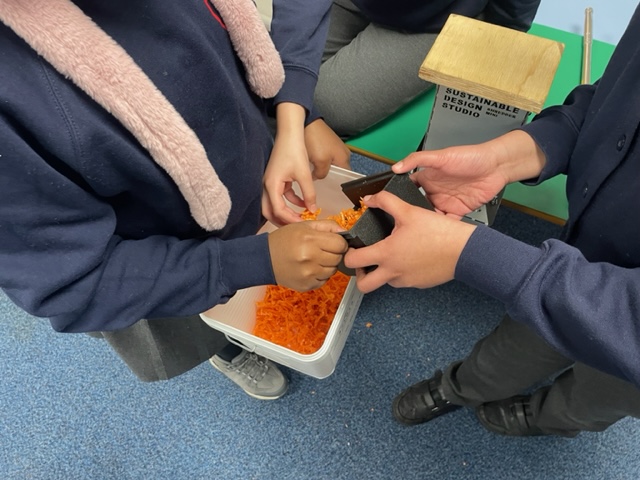
Jurassic Plastic – The Divine Mercy RC Primary School
We have been encouraging the school eco teams across five schools, to start collecting plastic bottle tops to use in our recycling. We already have a large number of rejected plastic bottle tops from a plastics manufacturer, that failed their quality control. This has given us a big supply of clean plastic to shred.
We have talked with groups about the recycling process and the importance of us using this precious resource and not having it become another form of micro plastic or producing greenhouse gasses. Some of the children have produced designs of simple moulds for the injection moulding machine that we hope to get made through working with Manchester Metropilitan University.
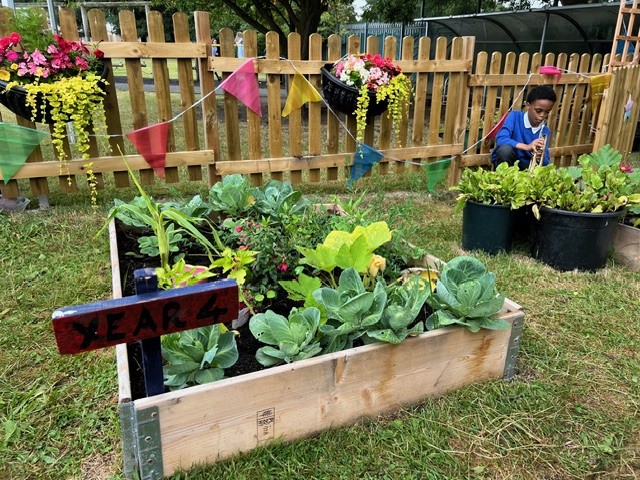
St Andrew’s Community Kitchen Garden – St Andrew’s CofE Primary School
We have created a new school kitchen garden from scratch in an over-grown unused corner of our school playing field, and used this wonderful new space for all our school children to grow organic healthy fruit and vegetables to take home and share with our school community.
We have installed 10 raised beds (we had initially planned for 4 but had the space for more) and used reclaimed and recycled materials to create other growing spaces, included old tyres and donated old pots and containers from parents. We had free compost from our council and other compost, plants and seeds donated from parents and friends of the school.
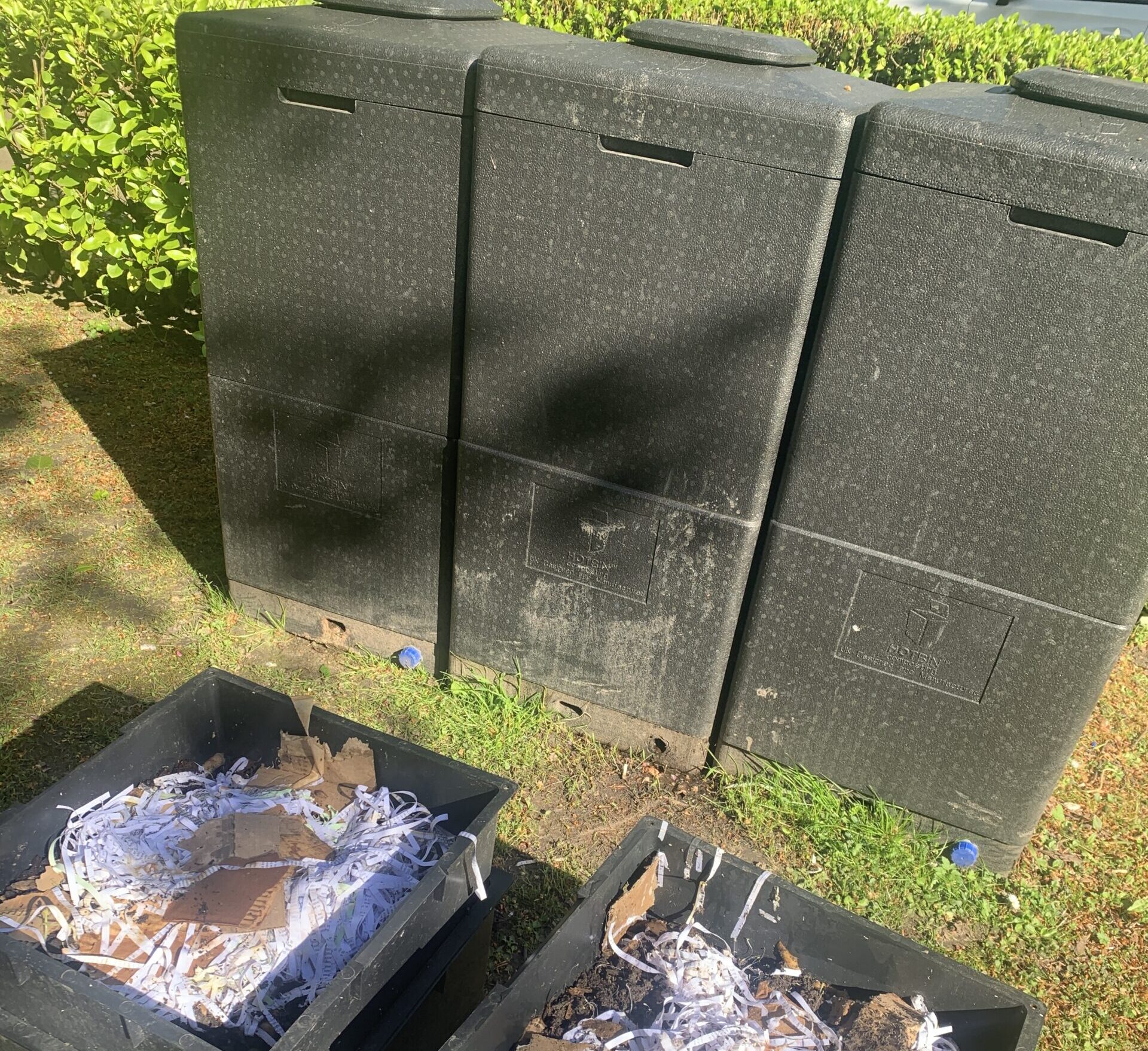
Waste Not, Worm Not! – Loretto Sixth Form College
The funding was used to promote circularity, with Loreto College targeting food and green waste, converting it into compost via vermicomposting and hotbins composting. Our science faculty students, have a resource on student grounds for observation of healthy soil against compacted and struggling in soil fauna.
In addition, a huge opportunity has come up to work with Sow the City, using the compost from these systems in local urban enhancement projects – targeting neighbourhoods that could use additional support by providing them with labour, biodiversity friendly vegetation and humus rich compost to aid in the prevention of flooding. Our Environmental Ambassador students have really enjoyed the opportunity to volunteer with Sow the City!
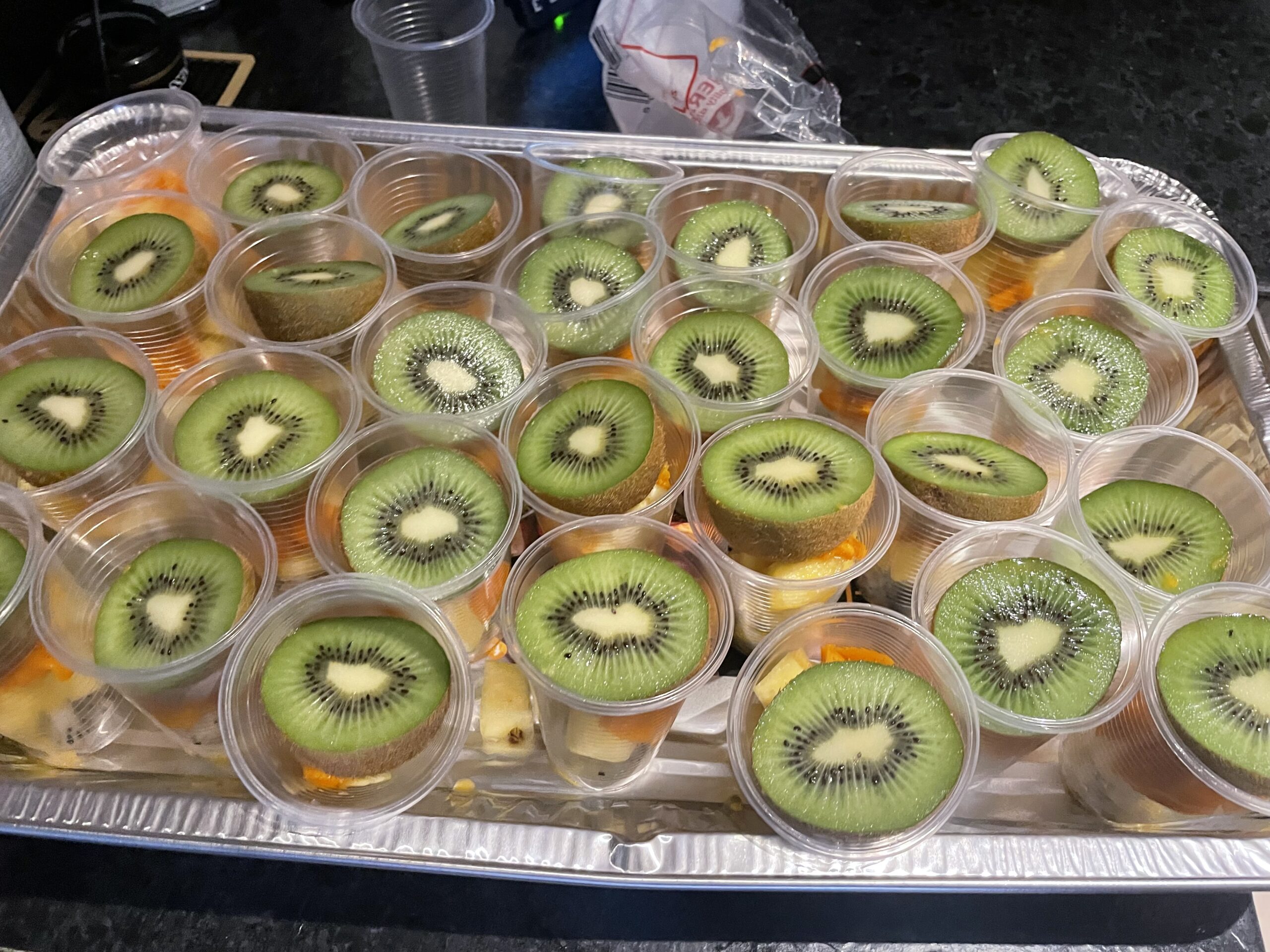
Veg In Growing a Greener Culture at Wright Robinson College
When we first sat down to draft the Veg In proposal, our mission was simple but ambitious: to transform how our 1,800+ students perceive healthy, sustainable eating. We knew that for many of our pupils, access to fresh, seasonal produce wasn’t always a given, and we wanted to bridge gap through hands-on experience and community spirit.
While our original roadmap has shifted slightly as we’ve learned what resonates most with our community, the heart of the project remains the same. We have been growing, tasting, and cooking our way toward a more sustainable future.
Learn to Grow! – St Kentigern’s RC Primary School
We began our project, last summer with the installation of accessible raised beds, which we planted with a variety of vegetable seeds. Over the course of the summer term, we watched the seeds sprout, slowly transforming into vegetables.
This process provided a real-life opportunity to discuss the importance of sustainability, particularly focusing on how growing our own food can help reduce our carbon footprint. By growing vegetables locally, we can decrease food miles, avoid unnecessary plastic packaging, and encourage a more eco-friendly way of living.
Eco Team – Beaver Road Primary School
Our new Eco Team are now in place across the whole school. We have ordered new recycling bins for the school and the children have had a whole school competition to design a poster for the bins to promote recycling.
A day trip to the recycling centre has been arranged for the team.
Additionally, we are arranging workshops for our year 5 cohort to create art work with recycled soft plastics. The finished art work will be included in a parade that is part of a local community event (Didsbury Art Festival).
Eco Club – Elmridge Primary School
This year, we proudly launched our very own Eco Club and Eco Warriors team to make the most of our beautiful outdoor spaces. Thanks to the support of eco grant funding, we were able to purchase resources that would not have been possible otherwise.
The children embraced their new roles with great enthusiasm and a strong sense of responsibility, working together to plant a variety of seasonal fruits and vegetables. These were later harvested and used in our school kitchen for lunchtimes, giving everyone a chance to enjoy the fruits of their hard work. Their dedication and teamwork have made a lasting impact on our school environment and continue to promote sustainability throughout our community.
Apply to the Eco Grants for School Programme
Would you like to bring your school eco ideas to life? Grants of up to £2,000, can be used on sustainability projects that benefit the school community.
We’re looking for projects that inspire small acts of positive climate action and sustainable behaviour change that focus on:
- Reducing waste and carbon emissions through practical action
- Moving beyond basic recycling to focus on reducing and reusing
- Building skills, knowledge and confidence in sustainability and climate action
- Encouraging long-term behaviour change of pupils, staff and wider community
- Delivering measurable environmental impact
Projects should also aim to benefit the wider school community, including staff, families and local partners.
Find out more about the fund here